
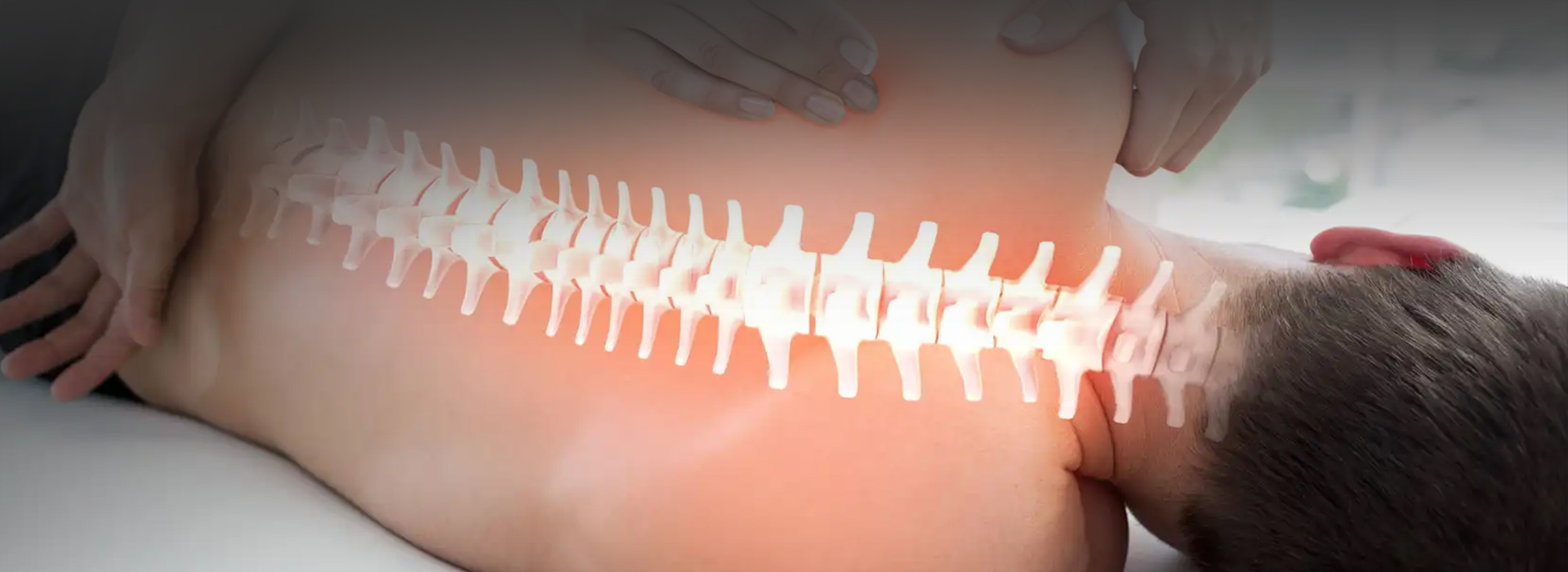
At our clinic, we often encounter patients dealing with back and neck issues, and one of the most common concerns is a slipped disc (prolapse disc). Understanding why some slipped discs heal naturally while others require intervention can empower you to make informed decisions about your health, drawing from our experience as spine specialists.
What is a Slipped Disc?
A slipped disc, also known as a herniated disc, occurs when the soft inner gel of a spinal disc pushes through its tougher outer layer. This can irritate nearby nerves, leading to slipped disc pain that radiates down the arms or legs. As spine doctors in Ahmedabad, we see this condition frequently in people with sedentary lifestyles or those involved in heavy lifting.
The spine's discs act as shock absorbers, but factors like age, injury, or poor posture can cause them to slip. Not all slipped discs are the same—some are small protrusions that the body can manage, while others are larger and more disruptive. Recognizing the severity early is key to effective slipped disc treatment.
Factors That Allow Some Slipped Discs to Heal Naturally
Many slipped discs resolve without surgery because the body has remarkable self-healing capabilities. Here's why some cases improve on their own:
- Size and Location of the Herniation: Smaller slipped discs often retract over time as the body absorbs the leaked material. If the disc isn't pressing heavily on nerves, inflammation reduces naturally, easing slipped disc pain.
- Body's Inflammatory Response: The immune system treats the herniated material as foreign, breaking it down gradually. This process can take weeks to months, but it's effective for mild cases. As back and neck pain specialists, we advise rest and anti-inflammatory measures to support this.
- Lifestyle and Conservative Management: Activities like physical therapy, weight management, and ergonomic adjustments play a huge role. Patients who follow these often see their slipped disc heal without further intervention.
In our practice, we've helped numerous individuals with slipped disc treatment through non-invasive methods, emphasizing that patience and proper care can lead to full recovery.
When Surgery Becomes Necessary for Slipped Discs?
While many slipped discs heal independently, others don't due to persistent or worsening symptoms. Surgery is considered when conservative slipped disc treatment fails after 6-12 weeks, or in emergencies like severe weakness or loss of bladder control.
- Severity of Nerve Compression: Large herniations that compress the spinal cord or nerves can cause lasting damage if not addressed. As a best spine surgeon team, we evaluate this through imaging like MRIs to determine if surgical decompression is essential.
- Chronic Slipped Disc Pain: If pain persists despite medications, injections, or therapy, surgery might be the best option to restore quality of life. Procedures like microdiscectomy remove the offending disc portion with minimal invasion.
- Underlying Conditions: Issues like spinal stenosis or repeated injuries can prevent natural healing, necessitating surgical slipped disc treatment. Our approach as spine specialists focuses on personalized plans to minimize risks.
Surgery isn't a first resort; it's a targeted solution when other methods fall short. With advancements in techniques, recovery is faster, allowing patients to return to normal activities sooner.
Conservative to Surgical Approaches for Slipped Disc Treatment
Effective slipped disc treatment depends on individual factors. As spine doctors in Ahmedabad, we tailor plans to each patient's needs. Here's an overview:
Conservative Approaches:
- Rest and Activity Modification: Avoid aggravating movements to let the slipped disc settle.
- Medications: Anti-inflammatories and muscle relaxants to manage slipped disc pain.
- Physical Therapy: Exercises to strengthen the core and improve flexibility, often resolving symptoms without surgery.
Interventional Treatments:
- Epidural Injections: Steroids injected near the nerve to reduce inflammation and provide relief.
- Alternative Therapies: Acupuncture or chiropractic care as adjuncts to traditional slipped disc treatment.
Surgical Interventions:
- Minimally Invasive Surgery: Options like endoscopic discectomy, performed by a best spine surgeon, offer quick recovery.
- Fusion Procedures: For unstable spines, fusing vertebrae ensures long-term stability.
At our facility, recognized as a best spine hospital, we prioritize the least invasive slipped disc treatment first. Dr. Pratik Israni, our lead spine specialist doctor, emphasizes educating patients on these options to alleviate fears and promote healing.
Preventing Slipped Discs and Managing Long-Term Health
Prevention is crucial for avoiding slipped disc pain altogether. Maintain a healthy weight, practice good posture, and incorporate regular exercise to support spinal health. As back and neck pain specialists, we recommend ergonomic workspaces and lifting techniques to reduce risk.
If you're experiencing symptoms, early consultation with a spine specialist can make all the difference. Regular check-ups help catch issues before they escalate, potentially avoiding the need for surgery.
Empowering Your Recovery Journey
Understanding why some slipped discs heal on their own while others need surgery boils down to factors like severity, location, and response to conservative care. Most cases improve with time and non-surgical slipped disc treatment, but when surgery is required, it's a safe, effective path forward.
At our clinic, led by Dr. Pratik Israni, we commit to providing top-tier care as spine specialists in Ahmedabad. If slipped disc pain is affecting your life, reach out to us—our team of spine doctors is here to guide you toward relief and recovery. Remember, informed choices lead to better outcomes, and we're dedicated to supporting you every step of the way.