

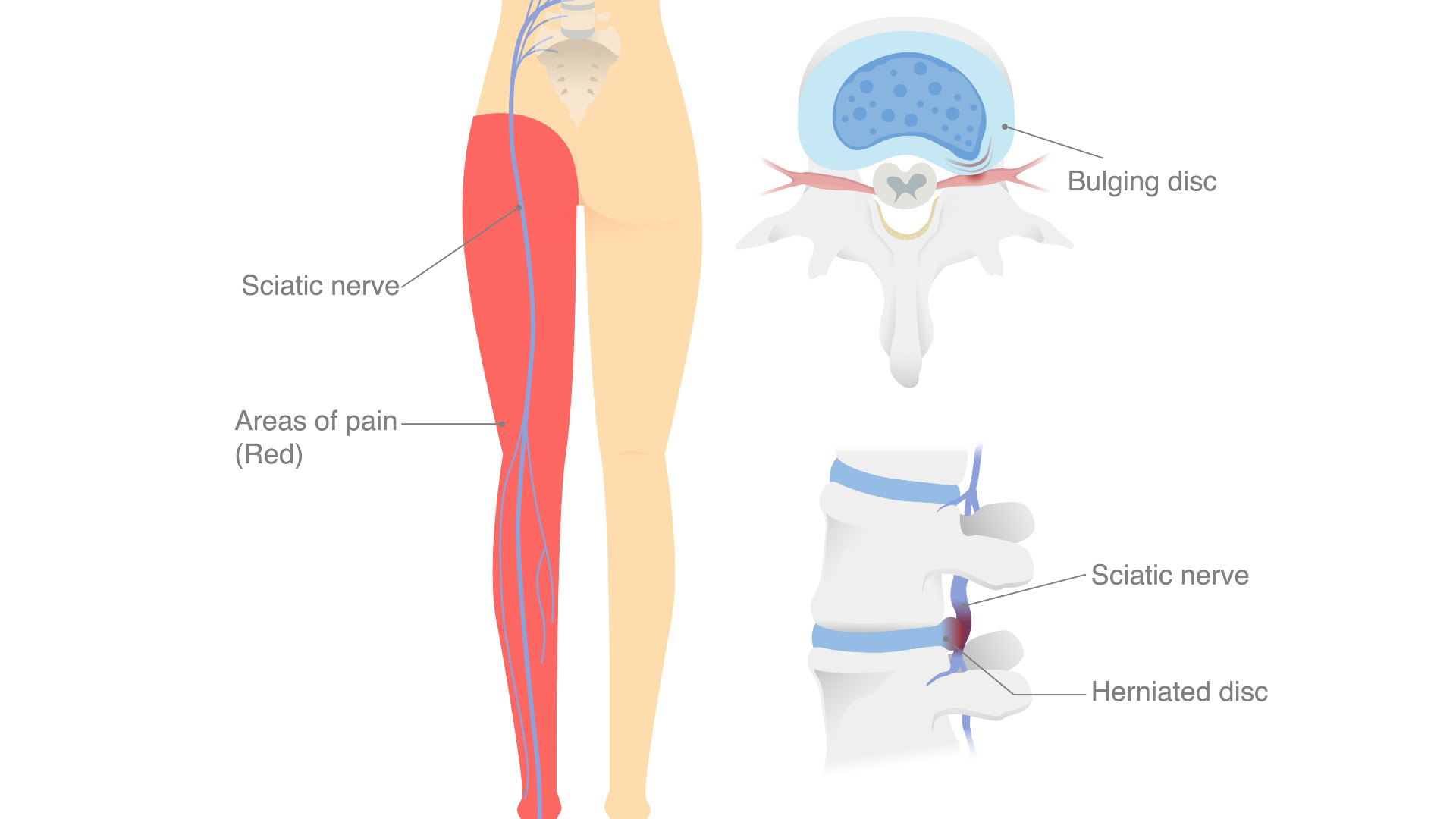
Sciatica is a common condition that affects millions of people worldwide, often causing sharp pain that radiates from the lower back down through the leg. It occurs when the sciatic nerve, the longest nerve in the body, becomes irritated or compressed, typically due to issues like a herniated disc or spinal stenosis. While many cases of sciatica resolve with rest and conservative treatments, there are times when the symptoms signal a more serious problem.
The key signs that indicate you should seek immediate medical attention from a spine specialist. As a leading provider of spine care, we understand how debilitating sciatica can be, especially when it interferes with daily activities. If you're experiencing persistent discomfort, knowing when to consult a professional can make all the difference.
Understanding Sciatica: Causes and Common Symptoms
Sciatica isn't a disease itself but a symptom of an underlying spinal issue. The pain usually starts in the lower back and travels along the sciatic nerve pathway, which extends from the lumbar spine through the hips, buttocks, and down each leg. Common causes include:
- Herniated or bulging discs: These can press on the nerve roots, leading to inflammation and pain.
- Spinal stenosis: Narrowing of the spinal canal that compresses nerves.
- Piriformis syndrome: When the piriformis muscle in the buttocks irritates the sciatic nerve.
- Spondylolisthesis: A condition where one vertebra slips forward over another.
Typical symptoms of sciatica include shooting pain, numbness, tingling, or weakness in the affected leg. Mild cases might feel like a bad leg cramp, but severe ones can make walking or sitting unbearable. If you're dealing with back and neck pain alongside sciatica, it could point to broader spinal concerns that require evaluation by a back and neck pain specialist.
Many people manage initial episodes with over-the-counter pain relievers, physical therapy, or lifestyle changes like improved posture. However, ignoring persistent or worsening symptoms can lead to chronic issues. That's why recognizing red flags is crucial for timely intervention.
Red Flags: When Sciatica Becomes a Cause for Concern?
Not all sciatica requires immediate medical attention, but certain symptoms suggest a potential emergency. If you notice any of these, it's time to see a spine specialist in Ahmedabad without delay:
- Severe, unrelenting pain: If the pain is so intense that it doesn't respond to rest or medication and disrupts sleep or daily functions, this could indicate nerve damage.
- Progressive weakness or numbness: Difficulty lifting your foot (foot drop), loss of sensation in the leg, or muscle weakness that worsens over time may signal significant nerve compression.
- Bowel or bladder dysfunction: Known as cauda equina syndrome, this rare but serious complication involves loss of control over bowel or bladder functions, often accompanied by saddle anesthesia (numbness in the groin area). This requires urgent care at the best spine hospital in Ahmedabad to prevent permanent damage.
- Bilateral symptoms: Pain or numbness in both legs, which might indicate central spinal cord involvement.
- Recent trauma or injury: If sciatica follows a fall, accident, or heavy lifting, it could stem from a fracture or acute disc herniation.
In our experience, early intervention often leads to better outcomes. As a back and neck pain specialist team, we've seen how delaying treatment can exacerbate conditions, turning manageable issues into complex ones requiring surgical options.
Why See a Spine Specialist Immediately?
Delaying care for severe sciatica can result in chronic pain, mobility limitations, or even permanent disability. A spine specialist doctor is trained to differentiate between benign causes and those needing urgent intervention. Here's why immediate consultation is vital:
- Accurate diagnosis: General practitioners might treat symptoms, but a spine specialist in Ahmedabad uses specialized tools to identify root causes, preventing misdiagnosis.
- Tailored treatment plans: From epidural injections to minimally invasive procedures, specialists offer options beyond basic pain management.
- Prevention of complications: Addressing issues early can avoid the need for more invasive surgeries later.
Moreover, if your sciatica is linked to ongoing back and neck pain, a back and neck pain specialist can integrate therapies like physiotherapy or acupuncture for comprehensive relief. Remember, the goal is not just to alleviate pain but to restore your quality of life.
Dr. Pratik Israni, with his extensive background in spinal health, emphasizes holistic evaluations to ensure every patient receives the most appropriate treatment.

Treatment Options for Sciatica: From Conservative to Advanced
Once you've decided to see a spine specialist, what can you expect? Treatment varies based on severity, but here's an overview:
- Conservative measures: Physical therapy, anti-inflammatory medications, and heat/ice therapy often suffice for mild cases.
- Interventional procedures: Steroid injections or nerve blocks provide targeted relief for moderate sciatica.
- Surgical interventions: For severe compression, options like microdiscectomy or laminectomy may be recommended by the Best Spine Surgeon in Gujarat. These are typically minimally invasive, with quick recovery times.
At the Best Spine Hospital in Ahmedabad, we offer a full spectrum of services, ensuring seamless care from diagnosis to rehabilitation. Our team, including dedicated back and neck pain specialists, works collaboratively to customize plans that fit your lifestyle.
If symptoms persist despite initial treatments, don't hesitate to seek a second opinion from a spine specialist in Ahmedabad. Early surgical consultation, when necessary, can prevent long-term nerve damage and improve mobility.
Prevention Tips: Keeping Sciatica at Bay
While not all cases are preventable, adopting healthy habits can reduce your risk:
- Maintain good posture during work and activities.
- Engage in regular exercise to strengthen core muscles.
- Avoid heavy lifting without proper technique.
- Schedule routine check-ups with a spine specialist doctor if you have a history of back issues.
By staying proactive, you can minimize flare-ups and enjoy an active life. If you're in the area, our clinic is equipped to guide you through preventive strategies tailored to your needs.
Conclusion: Take Action for Your Spinal Health
Sciatica can be a temporary nuisance or a sign of something more serious—knowing the difference is key. If you're experiencing red flags like severe weakness, incontinence, or unrelenting pain, consult a spine specialist in Ahmedabad immediately. Delaying could lead to complications, but timely care from experts like the best spine surgeon in Gujarat can lead to full recovery.